
A recycled bottle can be a planter—but which kind?
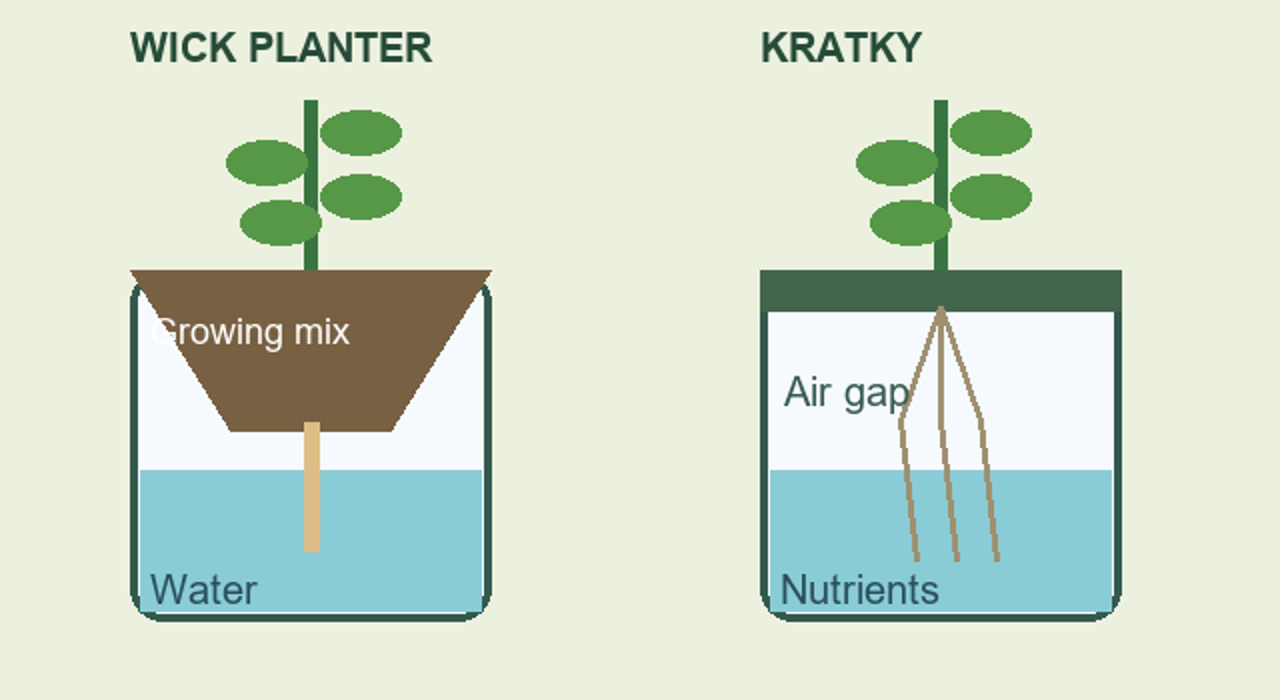
An upside-down bottle filled with potting mix and a wick reaching into water is a self-watering planter. The wick carries water into the mix. It is different from Kratky hydroponics, where roots reach nutrient solution and an air space develops above it. Neither needs an electric pump. Start with a small herb or leaf lettuce; a full-size tomato needs much more space.
Build a simple self-watering bottle planter
Choose a sound container originally intended for food. Wash and rinse it well; never reuse containers that held cleaners, pesticides, fuel or unknown chemicals. Have an adult cut a stable bottle, smooth or cover sharp edges, and pass a clean absorbent wick through a hole in the cap. Invert the top into the bottom, fill with suitable potting mix and wet the mix initially. Add water below: the wick should reach it, while the mix stays above the waterline.
Keep the reservoir accessible and shield it from light. Check moisture and adjust if the mix stays soggy or dry; empty stagnant water. A disposable bottle is a starter or small-herb planter, not a durable full-size tomato container. A bright window may help, but weak winter light can produce leggy plants. A grow lamp costs money to buy and run.
Try Kratky lettuce for simple hydroponics
Use an opaque, covered food-safe reservoir with a secure lid, a net cup or carefully slotted food-safe cup, and clean suitable growing medium. A several-litre lettuce reservoir gives more room than a tiny jar, which needs closer checks. Mix complete hydroponic nutrients according to the product’s seedling instructions and check pH against its crop guidance.
Transplant a lettuce seedling gently once roots can reach the feed. The initial solution should moisten the bottom of the support medium without submerging the crown. Keep the seedling moist until roots reach the solution. As water is used, an air gap forms and upper roots adapt to air. Preserve that gap when topping up—do not refill to the original brim and drown established air roots. Check water level, root access, temperature and plant condition. Follow nutrient instructions rather than repeatedly adding full-strength feed. Clean and reset between crops.
Can we make plant food at home?
Sugar water is not a complete plant food. Plants make sugars through photosynthesis and also need mineral nutrients. Sugar, honey, banana-peel water, eggshell water or Epsom salt alone will not provide a balanced hydroponic diet. Kitchen brews can encourage microbial growth in a passive reservoir.
For soil-based growing, compost suitable plant scraps and garden material, or use a properly managed worm bin. Finished compost or vermicompost can contribute nutrients to a suitable, well-aerated growing mix. It is not automatically complete fertilizer; do not put unfinished scraps around roots or fill a bottle with dense compost alone. Avoid raw manure, worm-bin drainage and compost tea in a beginner edible-crop hydroponic reservoir.
For Kratky, buy a small quantity of complete hydroponic fertilizer. Compare cost per litre of working solution. Dry concentrates may be economical, but multi-part products require all specified components and separate mixing as directed. General garden fertilizer is not automatically complete for hydroponics. Follow the actual label rather than a guessed recipe.
Get a second harvest from kitchen scraps
Green onions are a good first try. Keep the rooted white base with roughly 2–5 cm of stem. Stand it in a clean glass with the roots and lower base in water, leaving leaves above it. Give it light, replace water regularly and clip fresh green growth while leaving the base intact. Move healthy rooted plants into suitable growing mix for longer-term growth; plain water eventually runs out of the plant’s stored reserves.
Romaine, bok choy and celery bases can grow a few new leaves in shallow water, with the centre above the waterline. Change water often and discard rotting material. Expect a modest second crop or learning project, not endless full-size heads. Transplant a healthy rooted base if continuing. Basil and mint cuttings may root too: keep lower leaves out of water and transplant once rooted. Carrot tops give foliage, not another carrot. For potatoes outdoors, locally suitable certified seed potatoes reduce disease risk compared with supermarket leftovers.
Free and inexpensive seed sources
Ask a seed library, community garden or seed swap about availability and rules. Share a packet with a neighbour. Dollar-store or discount seeds can be useful: check variety, packing date, storage condition and instructions. Price alone does not tell you whether seeds will succeed.
Save seed from healthy open-pollinated plants, including many heirlooms. Beans, peas and tomatoes are approachable starts. Let seeds mature, use the crop’s proper cleaning method, dry thoroughly, label and store cool, dry and dark. F1 hybrid seed can grow, but offspring may differ from the parent. Squash can cross-pollinate too. Supermarket produce seeds are an experiment: maturity, variety and disease history are uncertain. A cheap labelled packet is often more dependable.
Paper-towel germination
Dampen a plain clean paper towel, space a few seeds on it, fold gently and place in a clean reused container or bag. Keep it damp, not submerged. Label it, use the crop’s suitable germination temperature and check daily; follow packet instructions for light-sensitive seeds.
Transfer shortly after a small root appears, holding the seed rather than pulling the root. Plant root down at the recommended depth in moist seed-starting medium. If it sticks, cut away a small piece of paper rather than tearing the root. Paper is a starting aid, not a complete long-term growing medium. Give seedlings enough light promptly; direct sowing may be easier for delicate roots. Ten older seeds make a simple germination test, though a small sample is not a guarantee.
Washing and sprout inhibitors: keep the distinction clear
Some storage crops, especially potatoes, may receive sprout-inhibiting treatment before harvest or in storage. This does not mean all supermarket produce is sprayed, or that every failed regrowth is caused by treatment. Age, variety, handling and damaged growing points also matter.
Wash produce under running water before preparing or eating it, including homegrown produce. Do not use soap or detergent on food. Washing is good food hygiene, but it is not a reliable way to reverse sprout suppression, remove every treatment or make diseased planting material safe. Choose healthy rooted scraps and seed intended for planting where appropriate.
Start small and measure the savings
Grow what you use: green onion tops, leaf lettuce and herbs are practical small-space crops. Note the costs of seed, feed, growing mix, lighting and water, then record the harvest. Reused equipment lowers setup costs; it does not guarantee the first crop is cheaper than shopping.
Try one rooted green onion and one small sowing this week. Use a planter if you already have suitable mix; budget for complete feed if you choose hydroponics. Scale up when you see what works in your light and climate. Grow it. Save it. Enjoy it. Follow Hydroponic Harvest on YouTube for the companion guide and explore the journal for more. Our store is there when you need supplies—start with what you can safely reuse.